The pilgrimage is a shared experience between cultures and communities from across the globe, the upkeep of quality hygiene practices ensures our interactions throughout this special journey is welcomed and pleasant.
It is well-documented on how poor sanitation facilitates a
noxious environment, contributing to the spread of diseases and viruses more
easily. A large percentage of pilgrims each year are affected by some form of
ailment, largely airborne, purporting are mild systems.
The greatest concern facing pilgrimage organizers today is
how easily COVID 19 can spread amongst the population and its ability to
transmit across surfaces. Education plays an important role in ensuring
pilgrims are aware of the best practices and why it is important for them to
apply them.
Development of Hygiene Practices and Quality Hajj Experience:
Hygiene Responsibilities Of Pilgrims & Organisers - Minimize Your Risks
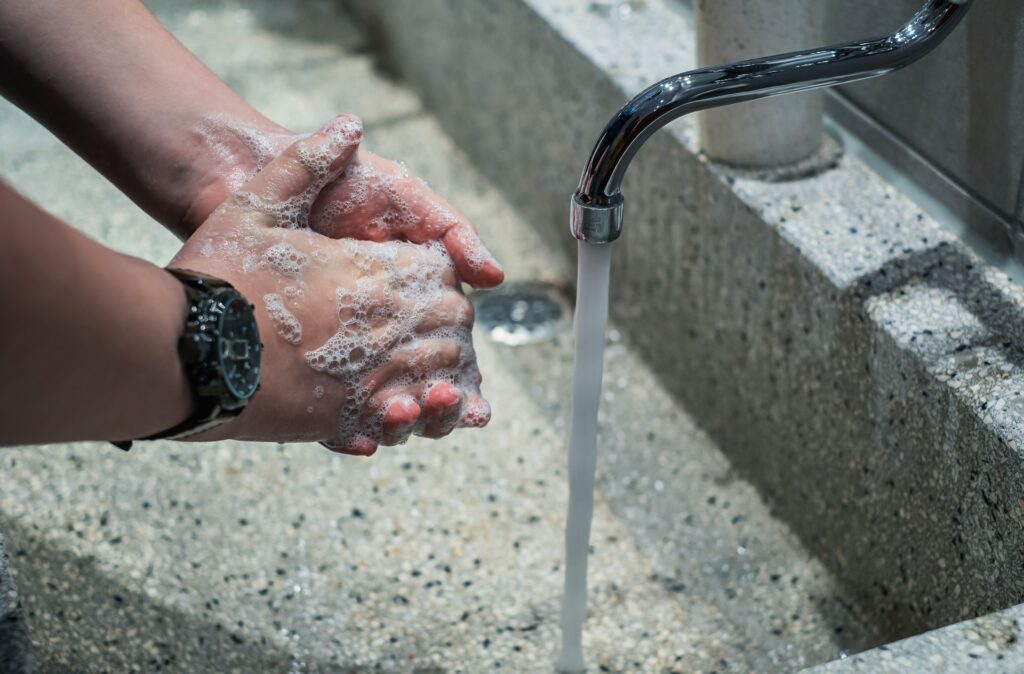
At a mass gathering, existing fixed hand hygiene facilities may be required to deal with many more people than usual. This will require increased levels of servicing to ensure the facilities remain clean, functional, and stocked with soap and paper towels.
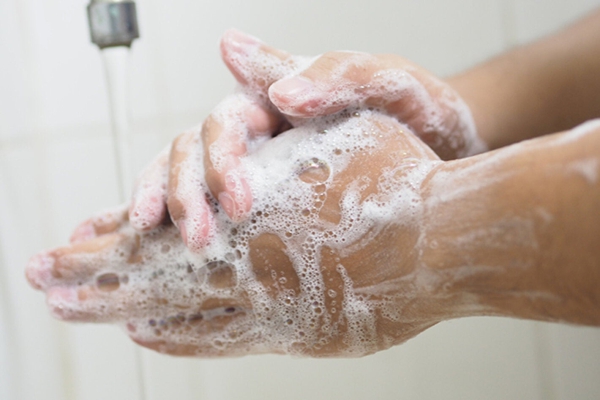
Wash your hands with soap and water or use hand sanitazing gel regularly especially after coughing or sneezing
Keep your skin clean and use powder to avoid irritation
When performed correctly, hand hygiene results in a reduction of microorganisms on hands. Poor hand hygiene contributes to the spread of pathogens which can be the cause of many health issues such as gastrointestinal and respiratory infections.
The large numbers of people in close proximity at mass gatherings increases the risk of illnesses being spread to all involved including: staff, volunteers, participants and spectators.
Green & Eco-Friendly Hajj & Umrah
More than 42,000 tonnes of waste are produced during the pilgrimage. The volume of waste produced along with the number of pilgrims, the limited space around the holy sites, different nationalities and heat creates a source of hygiene risks.
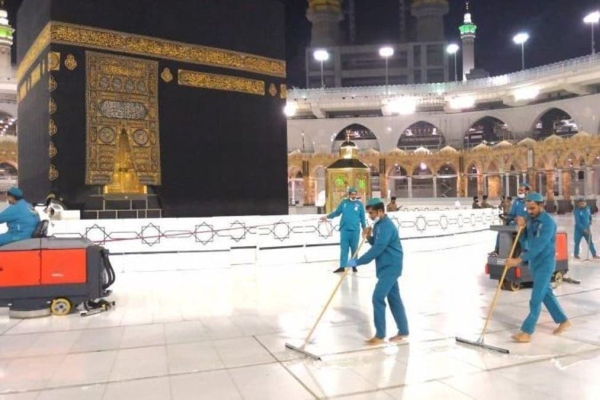
More than 13,000 sanitation workers and supervisors were hired in 2018, to keep the streets of Makkah and Mashaer (Mina, Muzadalifah and Arafat) clean.
Individual contribution towards responsibly disposing waste will pave the way for hygienic, green and eco-friendly Hajj & Umrah and reduce the environmental footprint
If you find pilgrims from your own group littering irresponsibly or becoming a source of hygiene risk for the group, it is important that you report such actions to your group or tour leader
The World Hajj & Umrah Care Foundation has focused on raising ethical responsibility of pilgrims at individual levels to upkeep high standard in preservation of cleanliness and littering.