The British Hajj Delegation provides ‘on the ground’ medical support and has been functioning for over ten years. The first Delegation was sent in 2000 (Hijri 1420) thanks largely to the efforts of Lord Nazir Ahmed, a Peer in the House of Lords of the British Parliament, and other campaigners.
The BHD has been led by Lord Adam Patel, another Peer in the House of Lords of the British Parliament, for the last ten years and includes a Chief Medical Advisor (CMA) along with seven other volunteer Doctors, including usually one or two female Doctors.
The British Hajj Delegation is based in Makkah and during the days of Hajj in Mina. The clinical services are usually operational for around 3 weeks. During Hajj 2009/1430 there were approximately 23,000 British pilgrims performing Hajj and in total almost 3000 patients were supported within the three weeks. The British Hajj Delegation did not deploy during Hajj 2010 (Hijri 1431) due to a cease in funding.
The British Hajj Delegation is extremely grateful to the Foreign and Commonwealth Office of the Government of the United Kingdom for supporting it since its inception until 2009
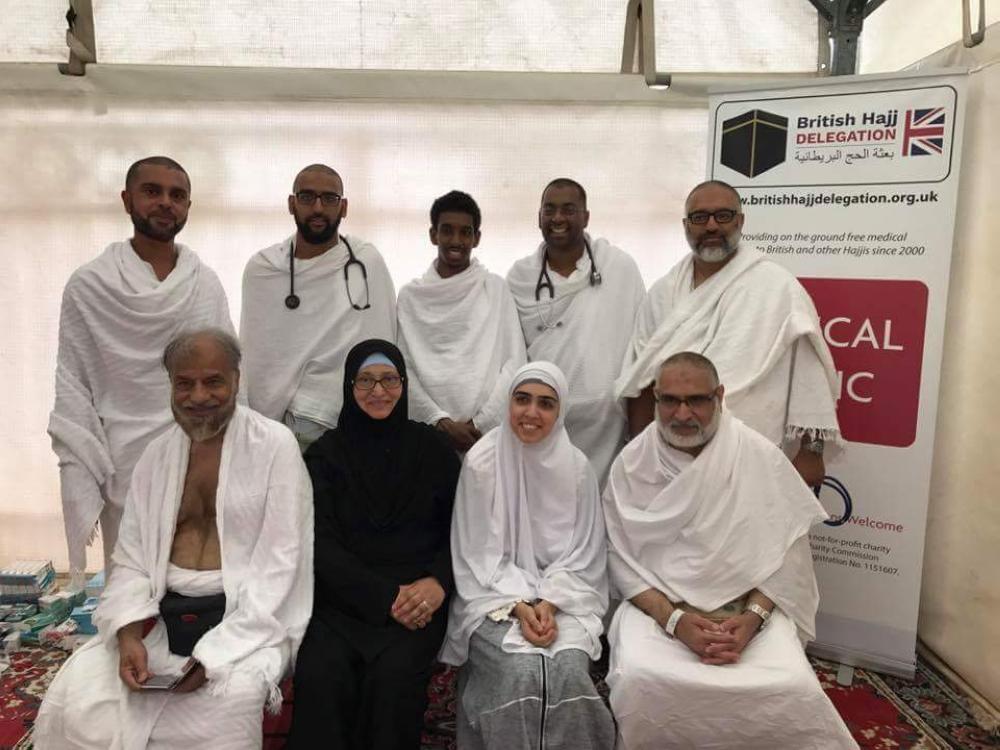
The BHD offers general advice and treatment at its makeshift clinic. The Doctors are all General Practitioners in the UK and treat basic symptoms to prevent escalation to more serious conditions. Serious illnesses will be dealt with at the Saudi hospitals, which provide treatment to all Hajj pilgrims during the Hajj.
City employment issue opportunities are position descriptions are listed.
Read MoreCity employment issue opportunities are position descriptions are listed.
Read MoreCity employment issue opportunities are position descriptions are listed.
Read MoreCity employment issue opportunities are position descriptions are listed.
Read MoreEach year up to eight Doctors volunteer to take part in the British Hajj Delegation’s medical team. The Doctors are all General Practioners (GP’s), fully qualified and practice in the United Kingdom. Furthermore they are all registered with the British Medical Association (BMA), the body responsible for overseeing medical practice in the UK. The team of Doctors consist of both male and female Doctors
The British Hajj Delegation an official partner of the World Hajj and Umrah Convention, presents the services the organisation has prepared for the upcoming Hajj.
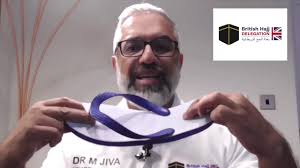
Dr. Muhammed Jiva the head of the British Hajj Delegation has been a long standing member, serving British Pilgrims for over 10 years.
The first point about the clinic is that it is a free service and run entirely by volunteer Doctors. The clinic in Makkah is set up in hotel rooms. They are very basic and are not intended to replicate a GP’s surgery in the UK. The clinic is usually open for around 14 to 16 hours every day leading to the actual days of Hajj and again for a few days after Hajj. However please do check the opening times when in Makkah. There is usually a separate consultation room for males and females. There is a short form to fill in before seeing the Doctor, copies of which are available at the British Hajj Delegation’s base.
It is very important that you stay in good health both before you go to and whilst you are in Saudi Arabia for the Hajj, especially as the acts involved in performing the Hajj can be strenuous, even for those who consider themselves healthy.
Here is some useful advice:
Inoculations – Ensuring all your inoculations are up to date, especially those that are mandatory for entering Saudi Arabia. Other vaccinations may also be required such as seasonal influenza vaccine. Please speak to your GP atleast 8 weeks before your intended departure to Saudi Arabia.
Dehydration – This can easily occur to people who do not consume sufficient amount of fluids in the weather conditions that usually persist in Makkah. Remember there is an abundance of Zam Zam water available in the Haram Shareef (Grand Holy Mosque).
Heat and sun related problems – The temperature in Saudi Arabia can exceed 45�C during the peak of the day. This may cause dehydration, heat exhaustion, heat stroke and sunburn. Try to avoid being in the heat wherever possible or use an umbrella to shade you.
Feet problems – Please ensure you have good quality footwear and do not over exert yourself especially if you are not feeling well or are experiencing pain. Although it is a personal choice, some people perform so many Nafil Tawaaf that they end up damaging their feet. This means that they need to adopt bandages and painkillers or in worse cases the use of a wheelchair to perform the Faraz Hajj for which they have come out to perform in the first place.
Respiratory problems/coughs – Sadly this is difficult to avoid. Due to such large numbers of people from around the World, all with different standards of health and hygiene, germs and bacteria spreads very quickly. Please maintain a high standard of hygiene and do not compound them by doing what others do e.g. Spitting on the floor and paths or throwing personal hygiene items carelessly anywhere e.g. used tissues or razor blades.
Food consumption – There is an untold number of food outlets selling everything one can think of. The vast majority of this is fine and people have no bad experiences. However ensure the establishment you eat at is adopting some form of hygiene standards. If in doubt then avoid the place. The last thing anyone would want is stomach pains or acute diarrhoea during the days of Hajj.
Insect bites – Try to avoid being bitten by insects. Although the risk of Malaria is low in Makkah and Madinah, there is a higher risk of Dengue fever. You may like to consider applying insect repellent outside the days of Hajj.
This page offers some practical tips before setting off on your unique journey. Taking a few minutes to act upon some of these suggestions may save you a lot of inconvenience or problems further along.
Also if you are aware of any other useful pre-departure practical tips that we can include here and share with others, then please email them to us.

Social Chat is free, download and try it now here!